Exploring the Aesthetic and Functional Potential of Hand Drawn Abstract Dot Pattern
The Emergence of Hand Drawn Abstract Dot Pattern in Modern Design
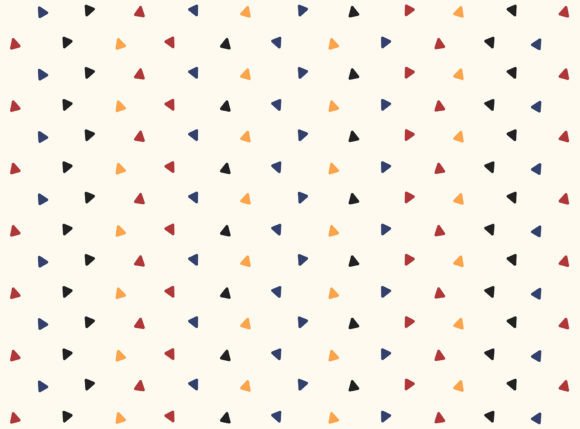
The Hand Drawn Abstract Dot Pattern has emerged as a versatile design element, blending organic imperfection with structured visual rhythm. Unlike machine-generated patterns, this form of artistic expression captures the unique essence of human touch, making it a compelling choice for designers across various industries. Whether used in branding, digital interfaces, or print media, the pattern's ability to evoke emotion and convey complexity makes it a standout feature in modern design practices.
Artists and designers often begin by sketching individual dots on paper or using stylized digital tools that mimic hand-drawn aesthetics. The randomness of placement and variation in size and density contribute to the pattern's distinct character. This approach not only allows for personalization but also ensures that each creation remains one-of-a-kind, which is highly valued in today’s market where authenticity is key.
Characteristics of Hand Drawn Abstract Dot Pattern
The Hand Drawn Abstract Dot Pattern is defined by several key characteristics that distinguish it from other types of visual designs:
- Imperfection: The irregularity of the dots gives the pattern a natural feel, avoiding the sterile uniformity often associated with algorithmic designs.
- Flexibility: It can be adapted to fit various scales and mediums, from large-scale murals to small icons.
- Emotional Resonance: The human element in its creation allows the pattern to connect with viewers on an emotional level.
- Versatility: It works well with both minimalist and maximalist design approaches, offering a wide range of creative possibilities.
These attributes make the Hand Drawn Abstract Dot Pattern suitable for a variety of applications, including packaging, website backgrounds, textile prints, and even data visualization. Its adaptability ensures that it can be integrated into different contexts without losing its visual appeal.
Advantages of Using Hand Drawn Abstract Dot Pattern
One of the primary advantages of using the Hand Drawn Abstract Dot Pattern is its ability to add depth and interest to otherwise flat surfaces. In web design, for example, this pattern can serve as a subtle background that enhances the overall aesthetic without overwhelming the content. Similarly, in product packaging, it can create a sense of movement and dynamism that draws the eye and encourages engagement.
Another benefit is the way it supports brand identity. Because each pattern is unique, companies can use it to create a signature look that stands out in a crowded marketplace. This is particularly useful for startups or independent creators looking to establish a distinct visual presence.
Additionally, the Hand Drawn Abstract Dot Pattern offers a tactile quality that is difficult to replicate with digital-only designs. When printed on physical materials, the texture and irregularity of the dots can be felt, adding another layer of sensory experience for users.
Use Cases and Real-World Applications
The Hand Drawn Abstract Dot Pattern finds application in numerous fields, each leveraging its unique qualities for different purposes:
- Graphic Design: Used in logos, posters, and illustrations to add a personal and artistic flair.
- Interior Design: Applied to wallpaper, rugs, and furniture to introduce visual interest and warmth.
- Fashion Industry: Incorporated into fabric prints, accessories, and clothing to create distinctive designs.
- Web Development: Implemented as background textures or decorative elements on websites to enhance user experience.
- Educational Materials: Utilized in textbooks and learning resources to break up text and engage students visually.
For instance, a children’s book publisher might use the Hand Drawn Abstract Dot Pattern to create engaging illustrations that capture the imagination of young readers. Similarly, a tech startup could incorporate the pattern into their website to create a friendly and approachable brand image.
Considerations When Working with Hand Drawn Abstract Dot Pattern
While the Hand Drawn Abstract Dot Pattern offers many benefits, there are also some considerations to keep in mind when working with it:
Consistency: Since the pattern is created by hand, achieving consistency across multiple pieces can be challenging. Designers may need to take extra steps to ensure that the overall look remains cohesive, especially when scaling the design for larger projects.
Scalability: While the pattern can be adapted to different sizes, extreme scaling may affect its visual integrity. It is important to test how the pattern looks at various resolutions before finalizing any project.
File Formats: When working with files such as AI (Adobe Illustrator), EPS (Encapsulated PostScript), and JPEG (Joint Photographic Experts Group), it is crucial to maintain high-quality output. These formats are commonly used for vector graphics and raster images, respectively, and choosing the right format depends on the intended use of the design.
Feedback and Ratings: As a designer or creator, it is always valuable to seek feedback from others who have used your work. Rating your vectors based on clarity, usability, and aesthetic appeal can help improve future iterations and build a reputation within the design community.
By considering these factors, creators can ensure that their use of the Hand Drawn Abstract Dot Pattern is both effective and impactful, meeting the needs of their audience while maintaining a high standard of quality.
Conclusion
The Hand Drawn Abstract Dot Pattern represents a powerful intersection of artistry and functionality, offering a unique solution for those seeking to add visual depth and emotional resonance to their projects. Whether used in commercial design, educational materials, or personal creative endeavors, this pattern continues to evolve and inspire new applications. By understanding its characteristics, advantages, and potential challenges, designers can harness its full potential and create work that resonates with a broad and diverse audience.