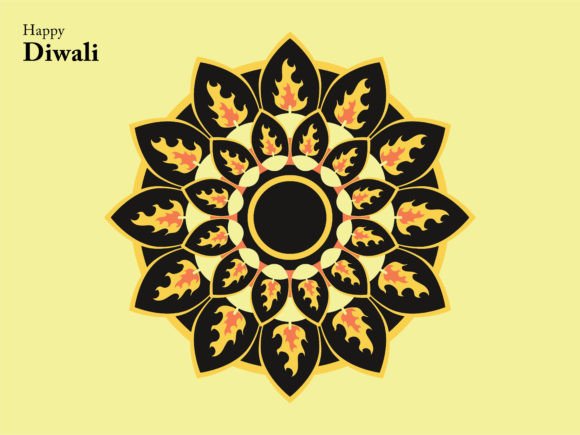
Happy Diwali Hindu Traditional Ornament
Diwali, the festival of lights, is more than just a celebration—it's a cultural expression that brings people together through vibrant traditions and meaningful symbols. Among these, the Happy Diwali Hindu Traditional Ornament stands out as a beautiful representation of heritage, spirituality, and artistry. Whether you're looking to enhance your home decor, create a meaningful gift, or explore the deeper symbolism behind this tradition, understanding the significance of these ornaments can add value to your experience during Diwali.
The Significance of Diwali Decorations
Diwali decorations are not merely aesthetic; they carry deep cultural and spiritual meaning. The Happy Diwali Hindu Traditional Ornament often includes intricate designs inspired by mandalas, which are symbolic in both Hindu and Buddhist traditions. These patterns represent harmony, balance, and the cyclical nature of life. Incorporating such elements into your space can foster a sense of peace and mindfulness, especially during the festive season.
For those interested in blending Eastern aesthetics with modern design, these ornaments offer a unique opportunity to infuse spaces with cultural richness. They can be used in homes, offices, or even as part of event décor for weddings, festivals, or cultural exhibitions.
Practical Benefits of Using Traditional Diwali Ornaments
Using Happy Diwali Hindu Traditional Ornament can bring several practical benefits, particularly for individuals who value authenticity, creativity, and cultural connection. Here’s how:
- Enhancing Visual Appeal: These ornaments are crafted with attention to detail, using materials like clay, metal, or fabric. Their intricate patterns and colors can elevate the visual appeal of any space, making them ideal for interior designers, event planners, and homeowners.
- Cultural Connection: For professionals working in education, publishing, or content creation, incorporating these ornaments into presentations or articles can help educate audiences about Indian culture and its global influences, including connections with Chinese Buddhist traditions.
- Gift-Giving Opportunities: Entrepreneurs and small business owners can use these ornaments as unique products to sell during the holiday season. They make thoughtful gifts that resonate with cultural values and personal significance.
- Supporting Artisans: Buying handmade or ethically sourced Happy Diwali Hindu Traditional Ornament supports local artisans and preserves traditional craftsmanship, which is especially relevant for eco-conscious consumers and ethical marketers.
How to Choose the Right Ornament for Your Needs
Selecting the right Happy Diwali Hindu Traditional Ornament depends on your specific goals and context. Here are some considerations:
- Intended Use: Are you decorating your home, creating an event display, or looking for a meaningful gift? Each purpose may require different sizes, styles, or materials.
- Cultural Relevance: Some ornaments may be more region-specific or tied to particular religious practices. Researching the symbolism behind each design can help ensure it aligns with your intent.
- Aesthetic Compatibility: Consider how the ornament will look in its intended setting. Will it complement existing décor or stand out as a focal point? This is especially important for interior designers and bloggers showcasing their spaces.
- Sustainability: If environmental impact is a concern, look for ornaments made from natural or recycled materials. This is a growing trend among conscious consumers and small business owners.
Real-World Applications and Examples
Many professionals have found creative ways to integrate Happy Diwali Hindu Traditional Ornament into their work. For example, a blogger writing about cultural traditions might include images of these ornaments in their posts to illustrate the festival's significance. An entrepreneur running a boutique store could curate a collection of handcrafted items, including these ornaments, to attract customers interested in authentic cultural products.
Educators and teachers can also benefit by using these ornaments in classroom activities or school projects focused on Indian culture. Students can learn about the history and symbolism behind each piece, fostering a deeper appreciation for diversity and heritage.
Limitations and Considerations
While Happy Diwali Hindu Traditional Ornament offers many benefits, it's important to recognize that they may not suit every situation. For instance, if you're looking for something modern or minimalist, traditional ornaments might not fit well. Additionally, some designs may be more suited for indoor use rather than outdoor displays due to material limitations.
It's also worth noting that while these ornaments are deeply rooted in Hindu tradition, they may incorporate elements from other cultures, such as Chinese Buddhist motifs. Understanding the origins and meanings behind these elements ensures respectful and informed usage.
Conclusion
The Happy Diwali Hindu Traditional Ornament is more than just a decorative item—it's a bridge between past and present, tradition and innovation. Whether you're a professional seeking to enhance your creative projects, an entrepreneur exploring new product lines, or simply someone who appreciates cultural artistry, these ornaments offer a meaningful way to celebrate Diwali with authenticity and depth.